Aviation & airport solution

Protection engineered for the entire aviation pathway.

Advanced antimicrobial treatment for terminals, HVAC and airbridge ducting, PCA units, aircraft environmental control system pathways and suitable cabin surfaces.

Aviation programme presented in partnership with RA-ESG
Highpassenger density
Shortturnaround times
SharedHVAC, PCA and ECS
High-touchsurfaces and equipment
Globalmovement pathways

The modern aviation challenge

People, surfaces and air systems move as one connected operation.

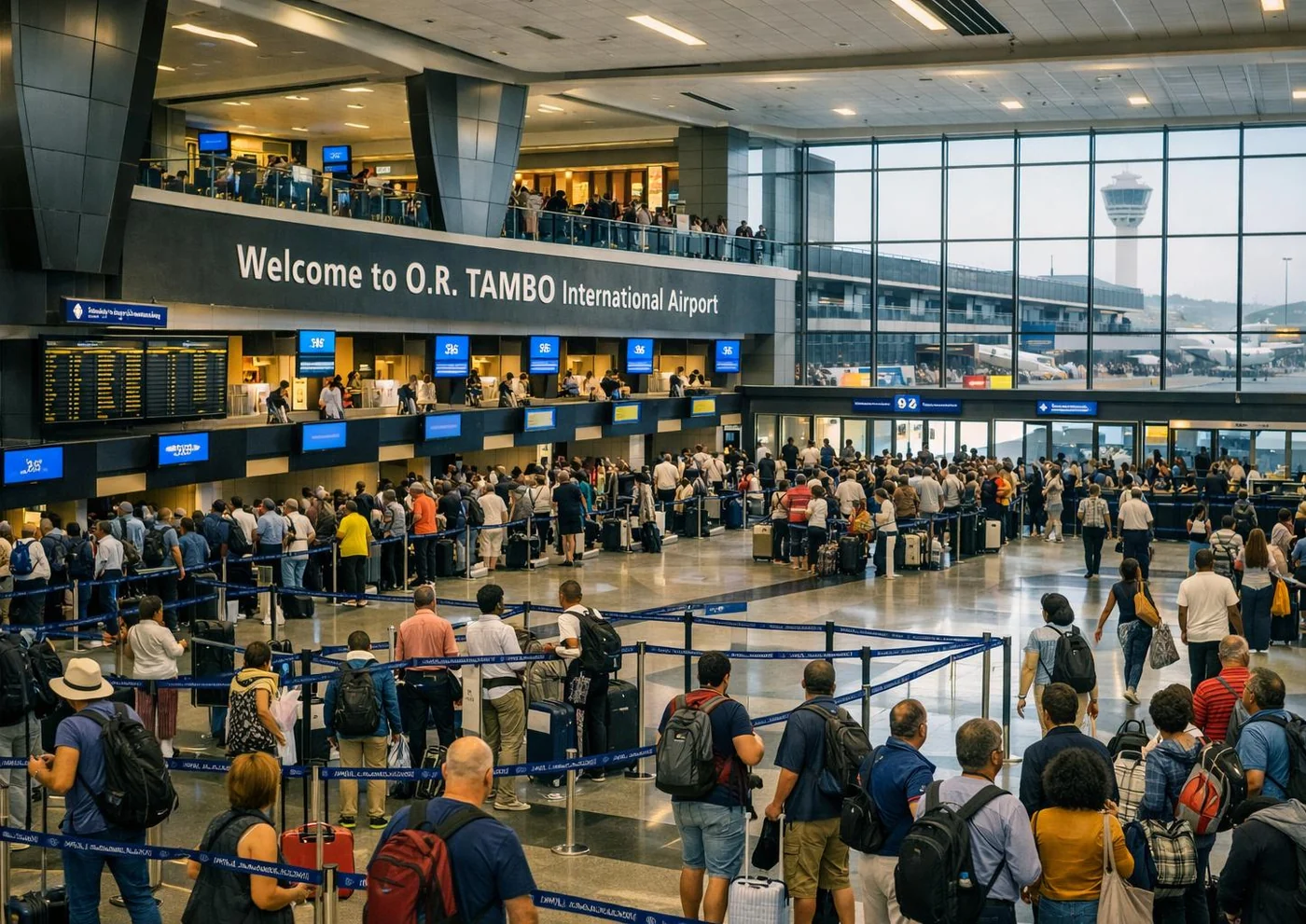
Airports and aircraft combine high traffic, high-touch surfaces and climate-controlled spaces. Microbial contamination can move through shared equipment, surfaces and ventilation pathways while operations continue under tight turnaround pressure.

  • Passenger and staff movement through confined shared spaces
  • Operational pressure that limits lengthy treatment windows
  • Ventilation systems that connect terminals, airbridges and cabins
  • Potential disruption, downtime and reputational impact
Busy airport terminal illustrating high passenger density and shared spaces
Aviation programmes are planned around operational continuity, access windows and defined treatment zones.

A complete treatment pathway

Three aviation zones. One coordinated programme.

The assessment follows the airflow and contact routes that connect airport infrastructure, ground-support systems and the aircraft itself.

01

Terminals & airbridges

Selected terminal HVAC pathways, public and operational areas, high-touch zones and airbridge ducting.

02

PCA & ground systems

Ground-portable air-conditioning units and suitable supply paths used while aircraft are serviced at the stand.

03

Aircraft & cabin

Direct ECS duct-treatment planning, cabin distribution pathways and suitable interior surface application.

How the aviation system works

Controlled dispersal carried through the existing airflow path.

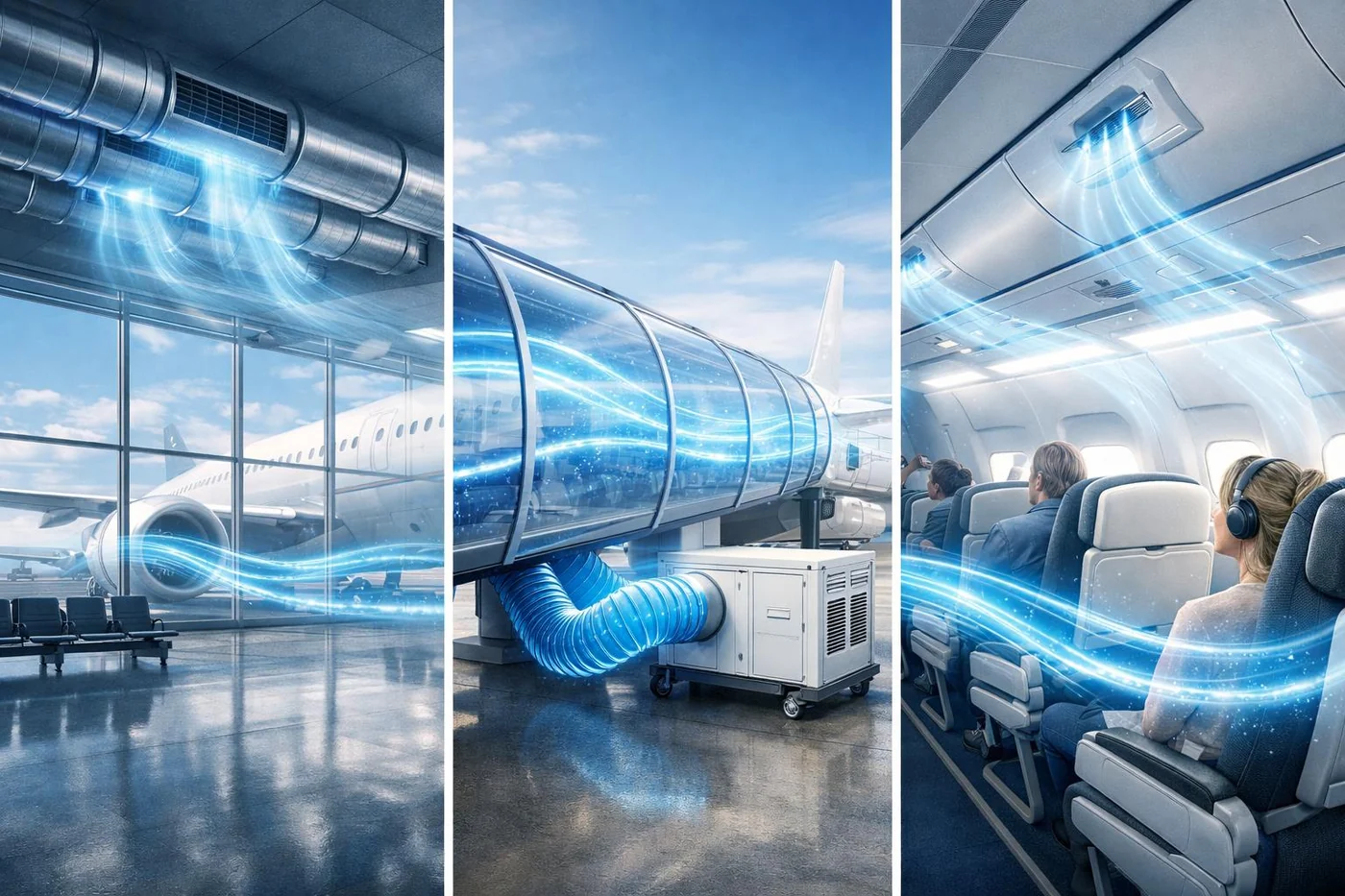
The supplied aviation treatment model uses ultrasonic dispersal of Z-71, then uses controlled airflow to carry the treatment through suitable system pathways and onto internal surfaces.
1DisperseUltrasonic generation of an ultra-fine treatment mist.
2CarryDistribution through selected HVAC, PCA or ECS airflow paths.
3BondFormation of a covalently bonded layer on suitable treated surfaces.
4ActMechanical antimicrobial action on contact within the applicable product and test scope.
Illustration of antimicrobial airflow through terminal, airbridge and aircraft cabin pathways
Application design, product suitability and treatment parameters must be confirmed for the specific system and aircraft environment.

Aircraft integration

Designed around PCA supply, ECS ducting and cabin treatment.

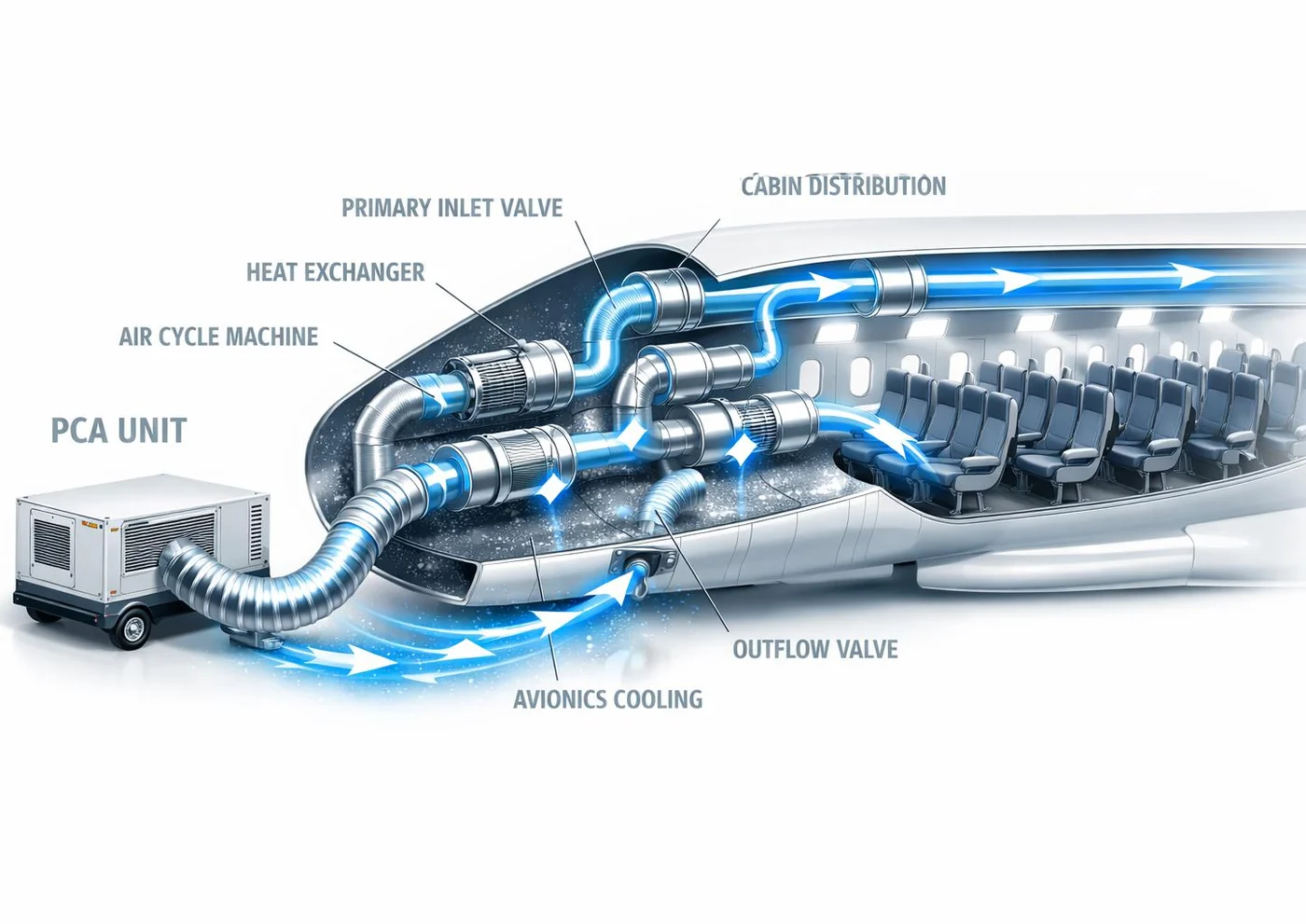
Integration can be planned through ground-portable air-conditioning equipment, direct treatment of suitable ECS pathways and cabin surface application during an agreed ground window.
  • Ground-portable air-conditioning unit integration
  • Direct ECS duct-treatment planning
  • Cabin distribution and suitable surface zones
  • Material and system compatibility review before treatment
Request the controlled aviation overview
Aircraft environmental control system diagram showing PCA supply and cabin airflow distribution

Deployment & verification

A programme that can be measured and documented.

The supplied aviation framework combines defined treatment zones with project-specific sampling and reporting.

A

Deployment scope

  • Terminal HVAC treatment
  • Airbridge ducting
  • PCA unit integration
  • Aircraft turnaround treatment
  • Long-term surface-protection planning
T

ATP sampling sequence

  • Pre-treatment baseline
  • Immediate post-treatment sampling
  • 12-hour and 24-hour follow-up
  • 7-day sampling where included
  • Clear project reporting against the agreed measurement plan

Compatibility & governance

Aircraft applications demand evidence, not assumptions.

The supplied technical material describes Zoono Z-71 as non-corrosive, non-flammable and suitable for aircraft interior materials. Final deployment must still follow the current product documentation, operator requirements and the applicable aircraft or equipment approval process.

Non-corrosiveCompatibility profile stated in the supplied aviation material.
Non-flammableProduct characteristic stated in the supplied aviation material.
Interior-readySuitability is reviewed for the intended aircraft materials and zones.
ControlledClaims and deployment records are matched to current documentation.

Operational benefits

Support safer journeys while protecting continuity.

  • Improved passenger and staff protection planning
  • Reduced microbial load in selected critical systems
  • Enhanced operational continuity
  • Long-term cost-efficiency potential
  • Stronger passenger and stakeholder confidence

Benefits depend on the approved treatment scope, product selection, application quality, facility conditions and ongoing hygiene programme.

Aircraft cabin and aviation operations control environment

Plan an airport or aircraft assessment.

Share the terminal, airbridge, PCA, aircraft or cabin scope, the operating window and the technical stakeholders who should be involved.

Start the aviation discussion
W