
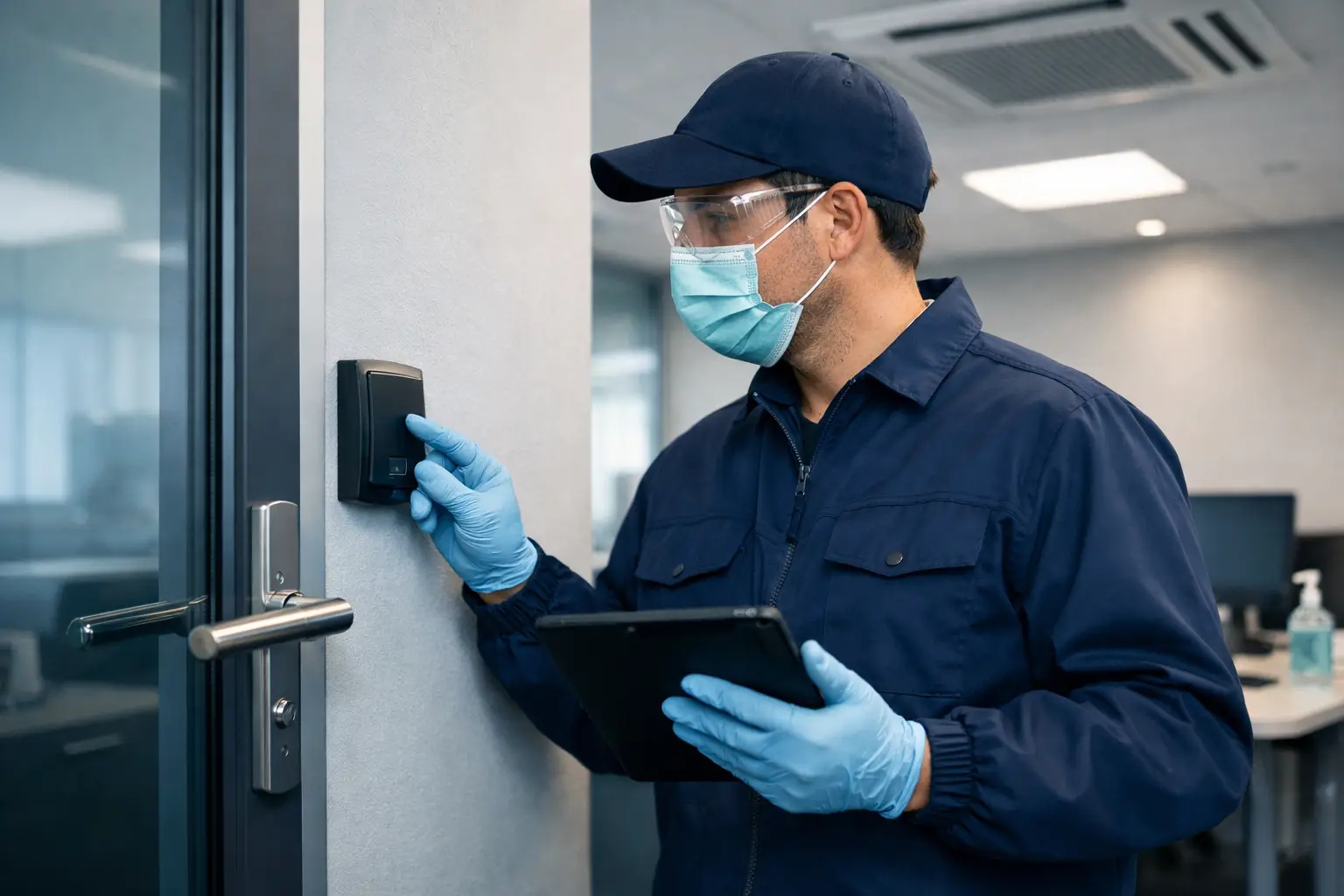
A hygiene documentation compliance guide is not a folder created for an inspection day. It is the operating record that shows how hygiene controls were planned, applied, checked and adjusted while a facility remained active. For a hospital ward, hotel, food-service kitchen, fleet depot or livestock operation, that record must reflect the real environment: who moves through it, where air travels, which surfaces are shared and what work can be carried out without interrupting essential operations.
Routine cleaning records remain necessary, but they do not tell the whole story where contamination risk moves through ventilation routes, busy entrances, equipment rooms and common touchpoints. Effective documentation connects these pathways into one controlled programme. It gives facilities teams a clearer basis for decisions, helps contractors work to a defined scope and provides evidence that the programme is being managed rather than assumed.
What compliance documentation should demonstrate
Compliance means meeting the hygiene obligations, internal standards and contractual requirements that apply to the particular facility. The exact requirements differ by sector, site and authority. A healthcare environment may require more detailed infection-prevention records than an office building, while a food operation may need hygiene controls integrated with its existing food-safety procedures. The objective is not to collect paperwork for its own sake. It is to make the control process traceable.
A useful record answers practical questions quickly. What risk was identified? Which area was treated? What method and approved product were selected? Who completed the work? When did it occur? What checks were made afterwards? If an area was unavailable, what alternative arrangement was agreed?
When those answers sit across separate emails, unsigned check sheets and verbal handovers, gaps are hard to see. A controlled document set creates a single operational picture. It also makes changes visible, whether the change is a new tenant layout, seasonal occupancy, an altered cleaning schedule or maintenance work affecting air handling equipment.
Start with an assessed facility map
Documentation should begin before an antimicrobial application or managed maintenance visit. A site assessment defines the conditions the programme must work within. Record the physical layout, ventilation and HVAC routes where relevant, occupancy patterns, high-contact zones, sensitive areas, access restrictions and the facility’s existing hygiene controls.
This is where generic checklists often fall short. A reception desk may have a high number of short interactions, while a staff break room has longer occupancy and shared appliances. A loading bay may introduce outside traffic and equipment movement. Each may require a different treatment sequence, access window and verification method. The documentation should show why those differences were considered.
For larger sites, divide the facility into clear treatment zones and assign an identifier to each one. Zone naming should be consistent across drawings, work orders, service reports and corrective-action records. If a facilities manager cannot match a report to a physical area, the record has limited operational value.
Record the operating constraints
The assessment should also identify constraints that affect safe, practical deployment. These can include clinical activity, guest occupancy, production schedules, food preparation periods, ventilation shutdown limitations, electrical equipment, vehicle turnaround times and restricted-access rooms. Recording constraints is not a reason to omit treatment. It allows the method, timing and access controls to be designed around the environment rather than a generic checklist.
Build records around assess, disperse, distribute and maintain
A disciplined hygiene programme can be documented through four connected stages: assess, disperse, distribute and maintain. This structure helps prevent the common mistake of treating application evidence as the entire compliance record.
Assess records the site conditions and risk priorities. It includes the zone map, observed airflow considerations, occupancy, existing controls, authorised scope and any exclusions. It should be reviewed when physical use of the facility changes.
Disperse records the selected application approach and work controls. Where ULV fogging or targeted surface application forms part of the agreed programme, documentation should state the trained service provider, treatment area, access controls, start and finish times, and any applicable reopening or operational instructions supplied for that process. It should not rely on vague wording such as “area sanitised”.
Distribute focuses on how protection is intended to reach the relevant physical pathways. Depending on the approved scope, this may include high-touch surfaces, equipment exteriors, vehicle interiors, shared spaces or ventilation-related routes. The record should identify the pathway addressed, not simply the product used. This is particularly useful when explaining why two areas with similar floor space receive different treatment.
Maintain captures routine review, planned revisit intervals, observations, defects, changes in occupancy and corrective actions. Antimicrobial treatment is a supporting control within a wider hygiene system. It does not replace routine cleaning, hand hygiene, ventilation maintenance, disinfection protocols or sector-specific infection-prevention measures. Documentation should make those interfaces clear so that no team assumes another party is covering a critical task.
The core records to keep
The precise document set will vary, but a managed facility programme commonly needs the following records:
- A current site assessment and treatment-zone plan, including relevant airflow and access considerations.
- An approved scope of work that identifies the areas, methods, operating constraints and responsible parties.
- Dated service reports showing attendance, zones completed, treatment method, observations and sign-off.
- Product and technical documentation relevant to the authorised application, including stated use limitations and handling requirements.
- Training, competency and contractor authorisation records for personnel carrying out specialised work.
- Cleaning, maintenance and ventilation records that show how related controls are being maintained.
- Incident, exception and corrective-action logs, including closure evidence and responsibility for follow-up.
Keep version control simple but strict. Every controlled document should have an owner, issue date and revision reference. Superseded versions should be retained in accordance with the facility’s retention policy, but they should not remain available as the working instruction. This matters when a site has changed hands, expanded or altered its operating hours.
Make service reports useful on the ground
A report should support the next decision, not merely prove that somebody attended. The strongest reports record conditions encountered on site, such as access constraints, blocked ventilation grilles, unplanned occupancy, damaged surfaces or a zone that could not be entered. They then state what happened next: treatment rescheduled, facilities team notified, exclusion agreed or corrective work raised.
Photographic records can help where they are permitted by site policy, but images need context. Attach the date, zone, observation and action taken. Avoid photographs containing patients, guests, staff identification or sensitive operational information unless the facility has explicitly authorised their use and storage.
Sign-off also needs care. A signature should confirm what it actually confirms, such as receipt of the report, completion of the agreed accessible zones or acknowledgement of an exception. It should not be framed as confirmation that a facility is sterile, risk-free or compliant with requirements outside the provider’s defined scope.
Link hygiene records to ventilation and facilities maintenance
Where airflow forms part of the contamination pathway, hygiene documentation cannot sit entirely apart from building maintenance. Record relevant HVAC inspections, filter changes, access limitations, faults, shutdowns and remedial actions alongside the treatment programme. The aim is not to turn an antimicrobial service report into an engineering maintenance manual. It is to show that the controls influencing the same environment are being coordinated.
For example, if a treatment plan includes ventilation-related pathways but an air handling unit is unavailable for maintenance, the programme record should show the impact, the responsible team and the revised action. This protects continuity and prevents a hidden gap between facilities management and hygiene operations.
The same principle applies to cleaning contractors, security teams, transport supervisors and tenant representatives. Short, defined handovers are often more useful than lengthy reports that no one reads. A monthly review can identify recurring exceptions, missed access windows or zones that have changed use and now require reassessment.
Review exceptions before they become normal practice
The most valuable compliance records are often the exception records. A missed visit, delayed access, equipment fault or change in occupancy does not automatically mean a programme has failed. What matters is whether the exception was recognised, assessed, communicated and closed with an appropriate action.
Set a practical review rhythm. High-turnover or hygiene-critical areas may need more frequent review than low-occupancy offices. A seasonal hospitality site, agricultural facility or airport operation may need its programme adjusted around peak movement periods. Frequency depends on risk, use, operating constraints and the controls already in place.
Technical claims should always be read with the applicable product documentation, test scope and approved use conditions. Documentation is strongest when it distinguishes clearly between verified service activity, observed site conditions and claims that require separate technical evidence.
A well-run hygiene record is therefore more than proof of work completed. It is a working map of protection that moves through the building: across touchpoints, through operational spaces and alongside the systems that keep the facility functioning. Keep it current, make it usable, and let it guide the next action rather than simply describe the last one.
